Placerville Vineyard Wedding Venue at David Girard Vineyards
Elegant Private Vineyard Weddings in California’s Sierra Foothills

A gated vineyard estate where the entire wedding weekend feels intentional
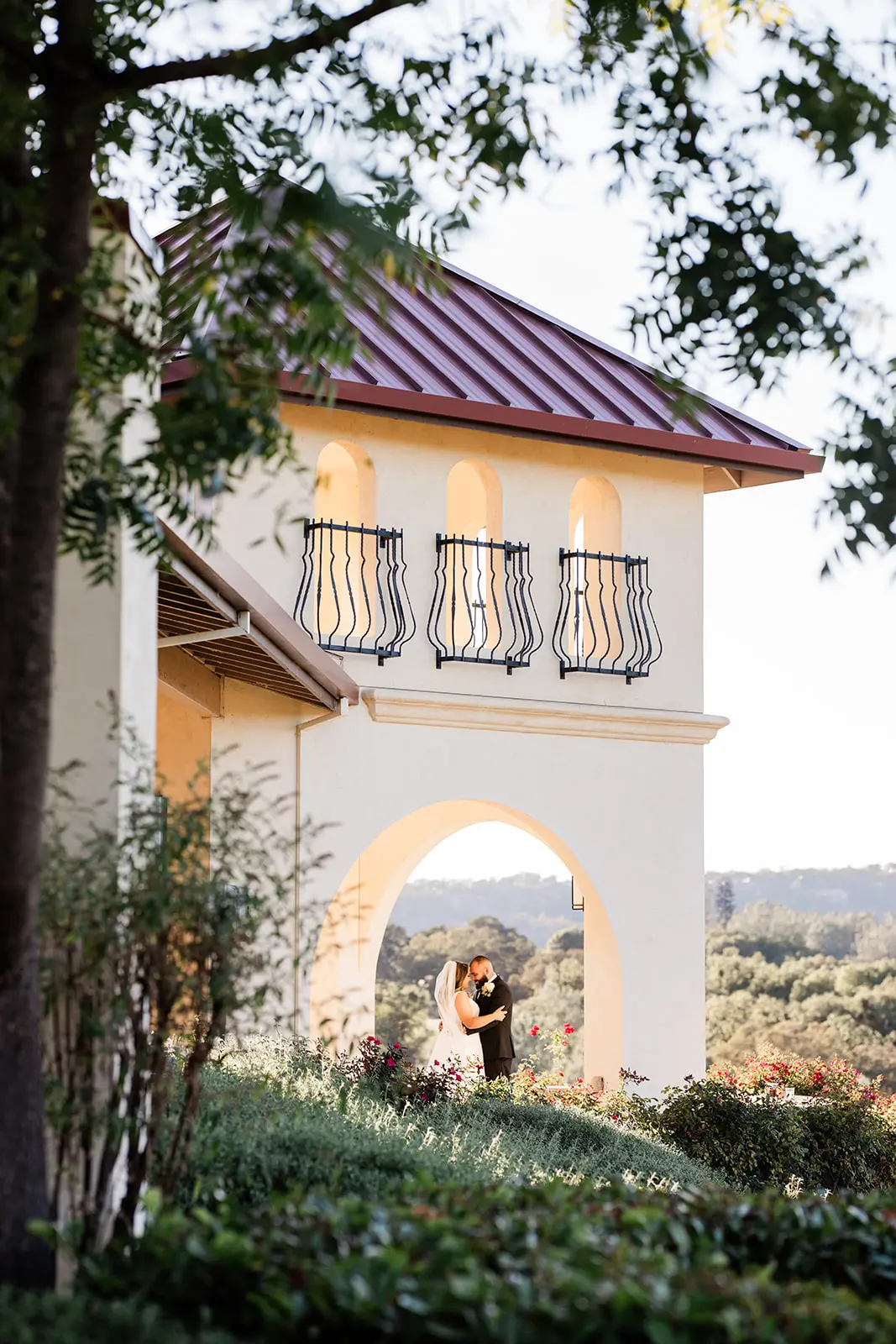
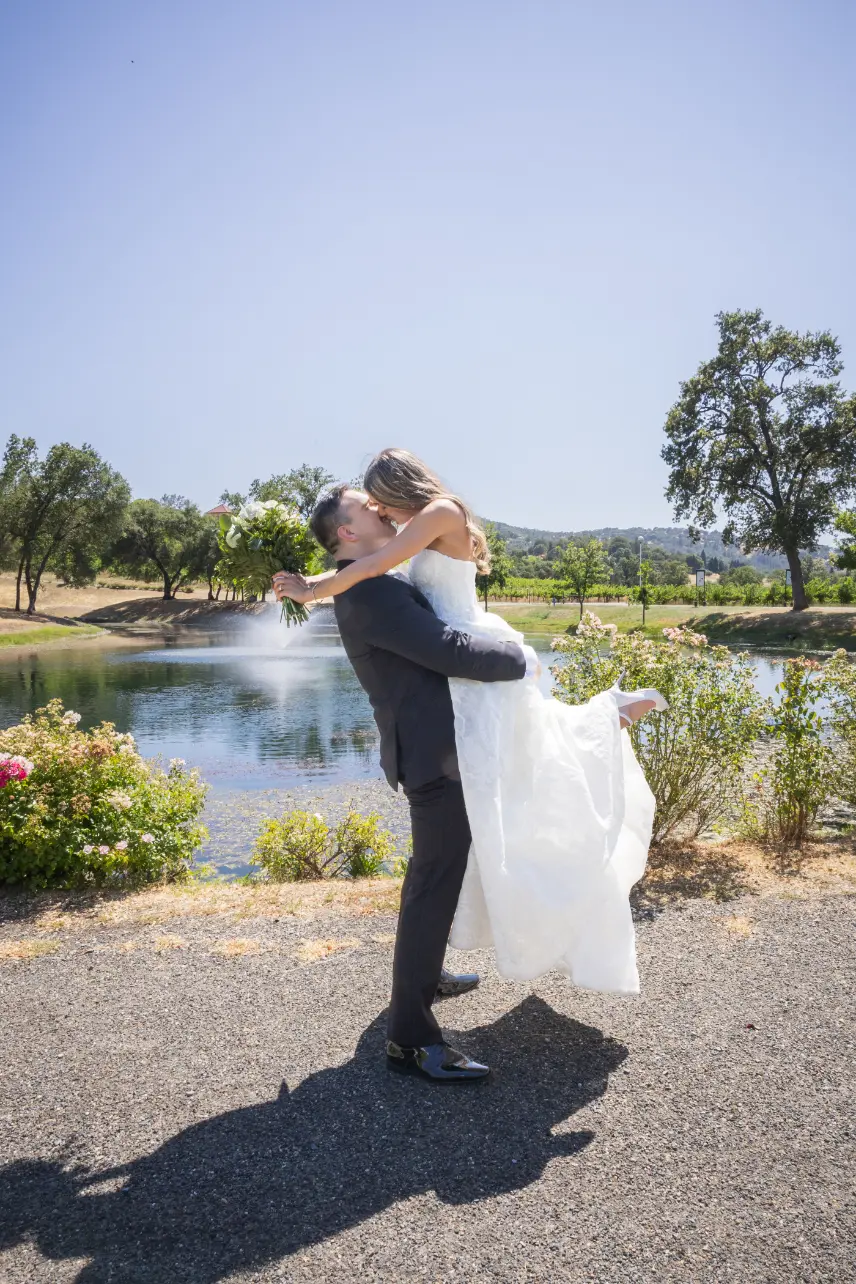
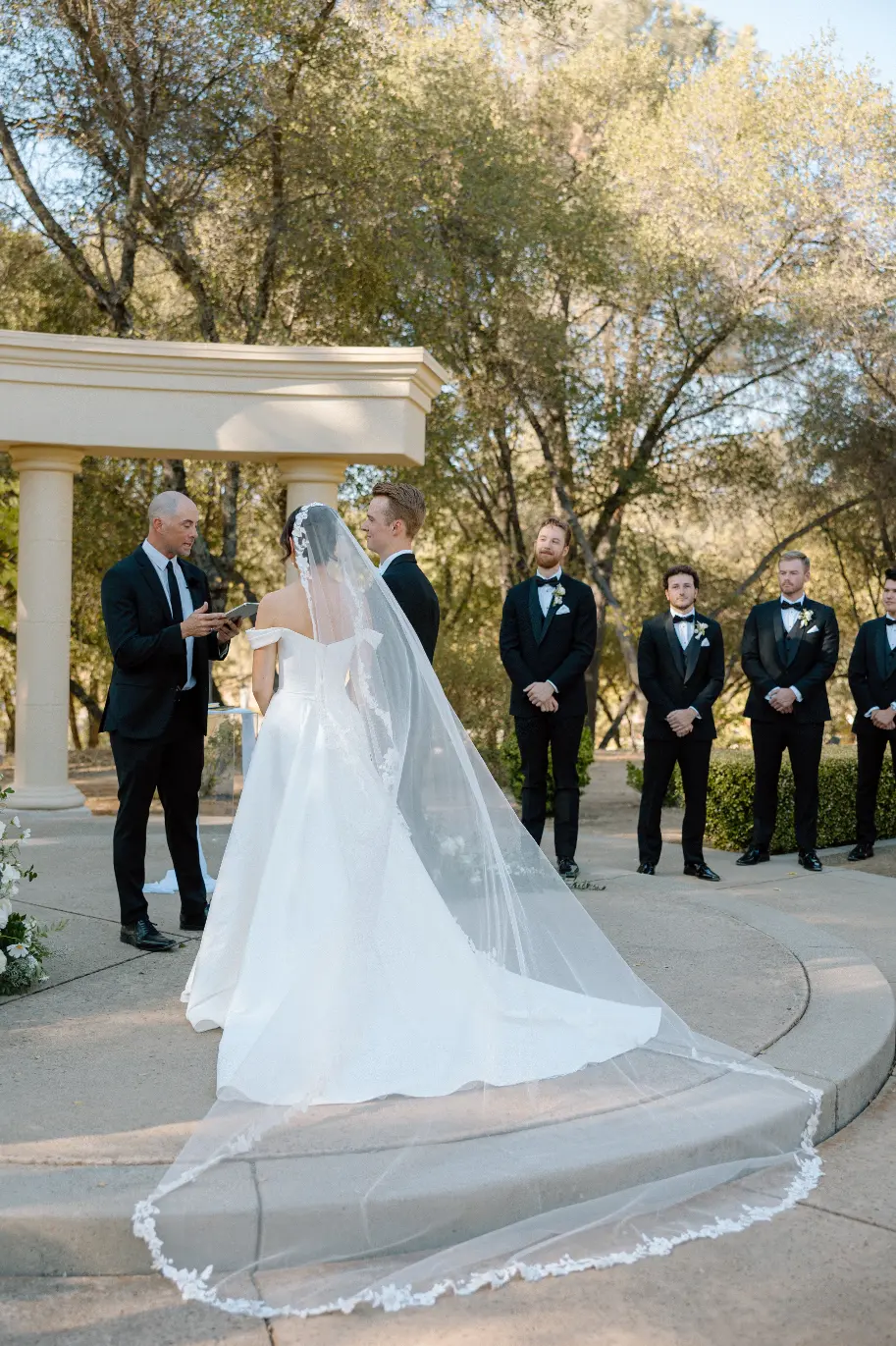
A gated vineyard estate designed so every part of your wedding day feels elevated and entirely your own. Set on rolling vineyards in Placerville, the property blends privacy, scenic beauty, and flexible event spaces for a seamless celebration from arrival to send-off.
𖡡
Location
♡
Style
𐀪
Capacity
⌂
Features
David Girard Vineyards
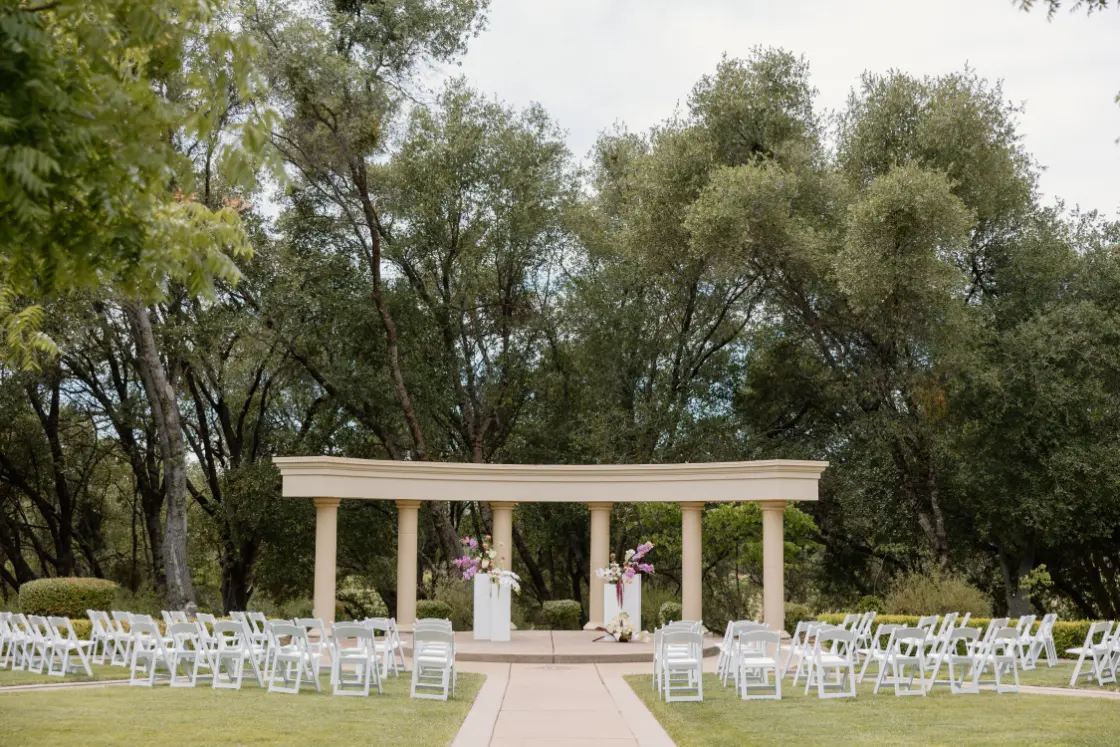
Make it a wine country weekend
With nearby inns, boutique stays, and resorts just minutes away, guests can settle into the Sierra Foothills and celebrate across multiple days. Host a rehearsal dinner at the Waterfall Terrace or inside the tasting room, welcome guests with a vineyard gathering, and turn your wedding into a destination-style experience without leaving Northern California.
A winery that becomes part of your celebration
David Girard’s Rhône-inspired wines bring an authentic wine country experience, whether you’re pouring estate selections at the reception or sharing bottles with guests long after the wedding ends. The winery remains an integral part of the property’s atmosphere and story.
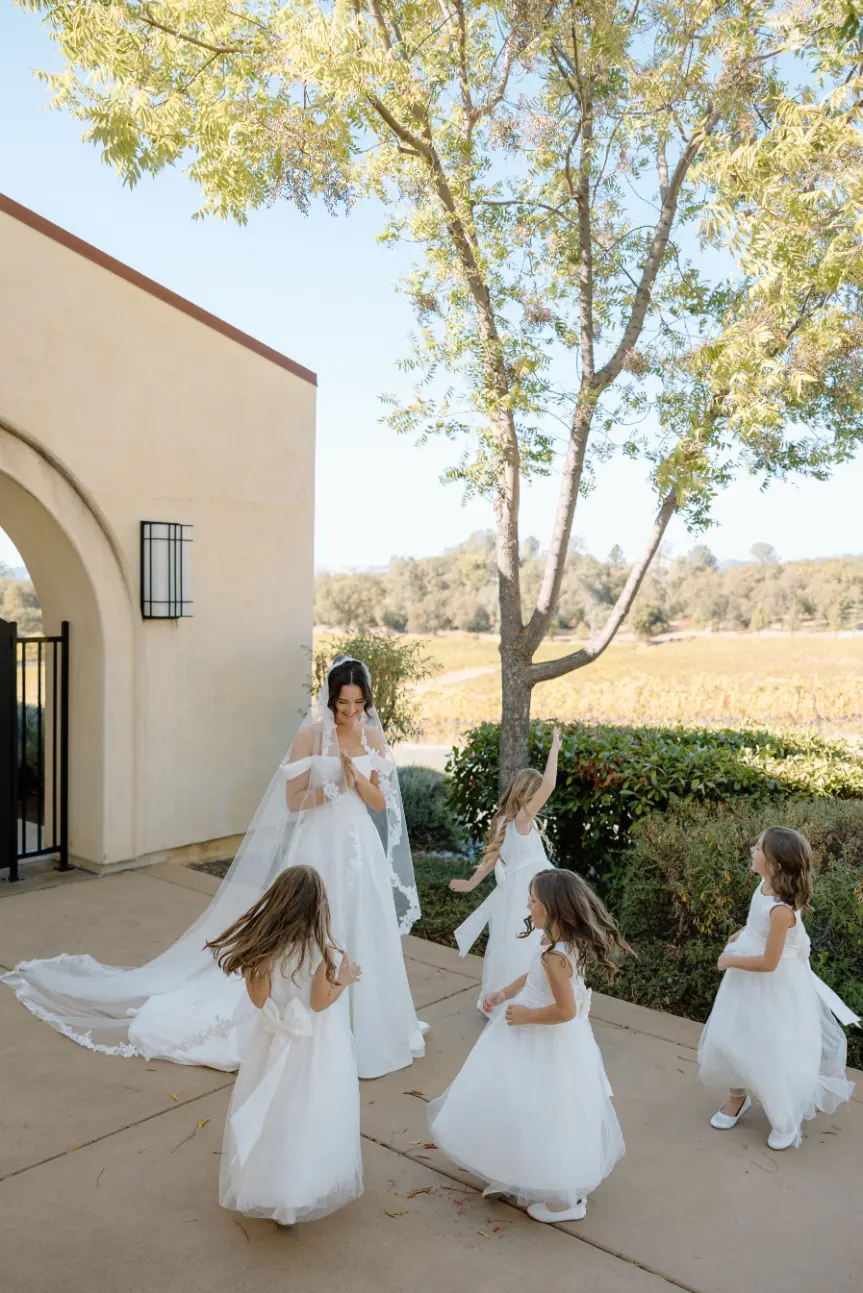
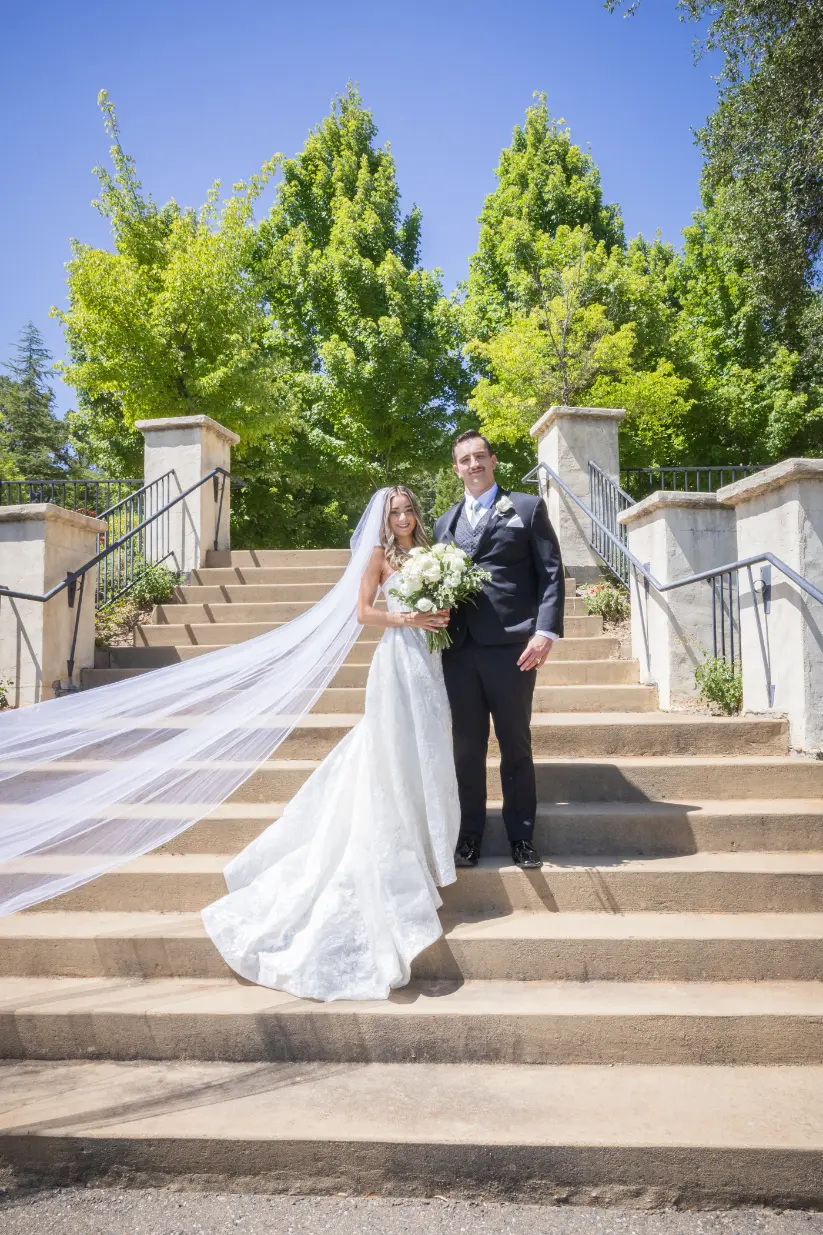
“The venue is absolutely stunning.”
The most beautiful venue! From venue searching, to selecting this venue, all the way to the day of, this venue has been organized, easy to work with, professional, kind, friendly, and overall the best. You will not regret your decision with DG :) An additional shout out to the team who helped us bring our dream + vision to life at DG!

– Deliah ♡
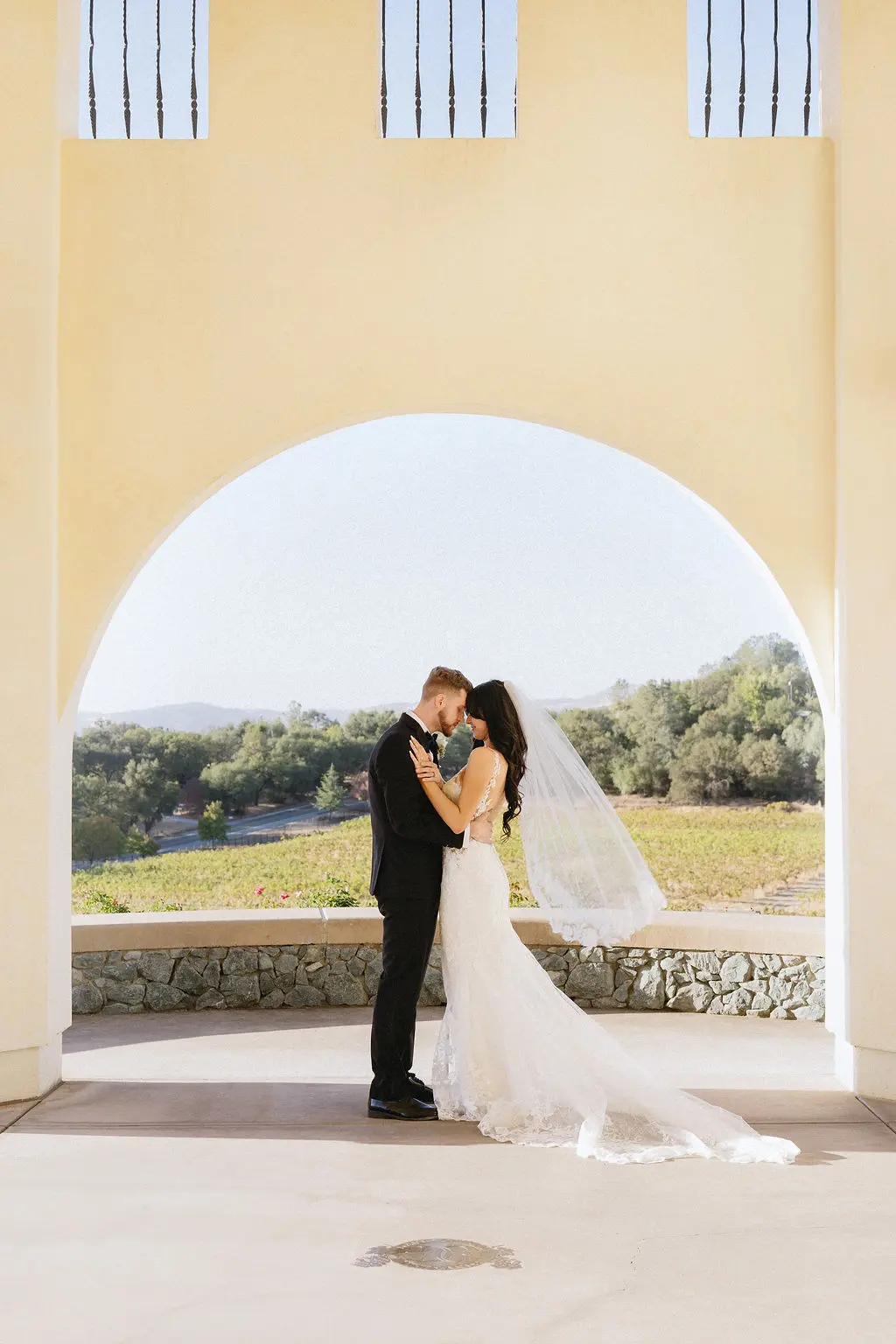
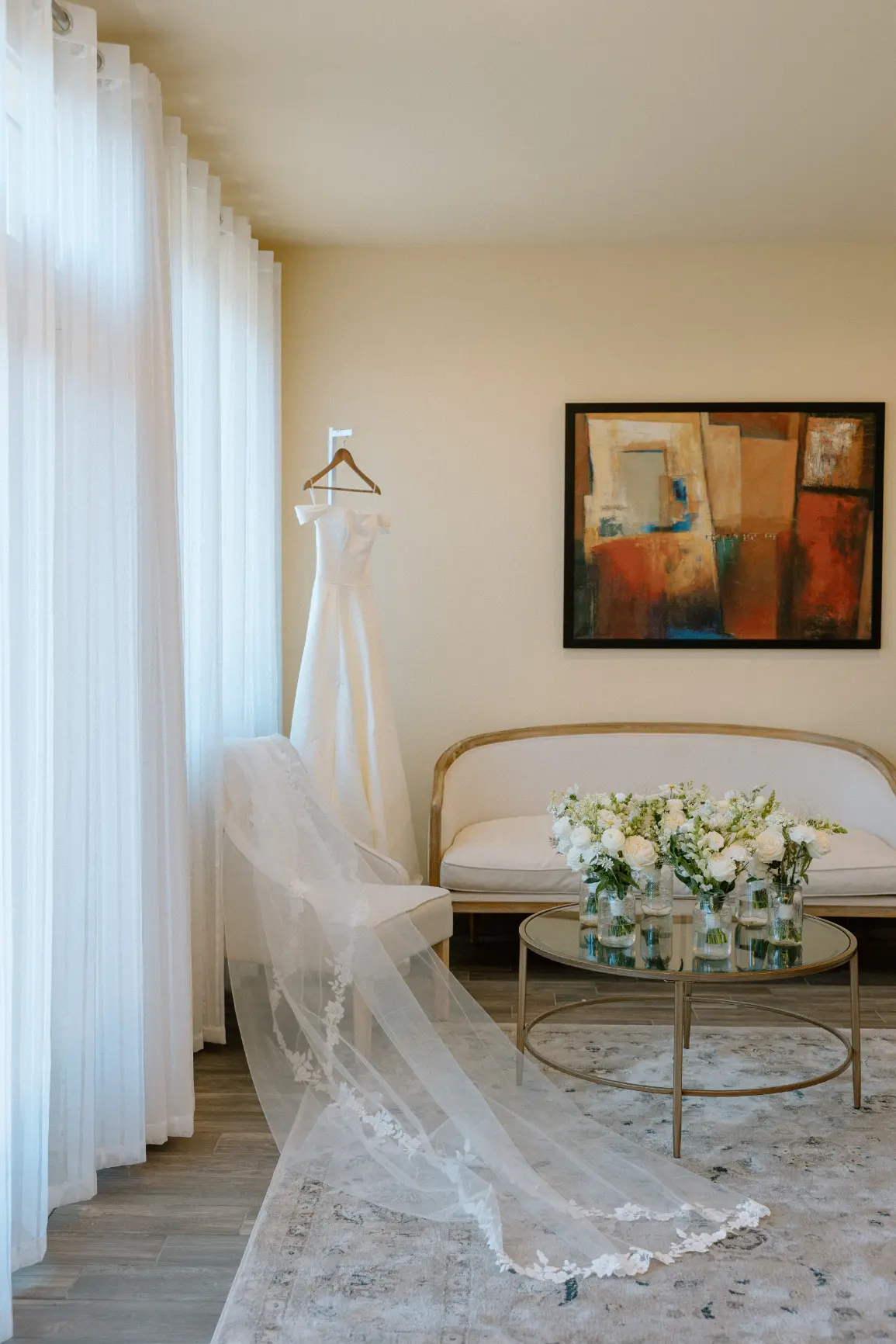
Built for a Smooth Wedding Day
David Girard Vineyards partners with experienced preferred planners and vendors who know the property inside and out, helping your celebration run beautifully from ceremony to reception while still reflecting your personal vision.
