By Jim Wasserman --
Bee Staff Writer
Sacramento BeeFriday,
February 24, 2006
|
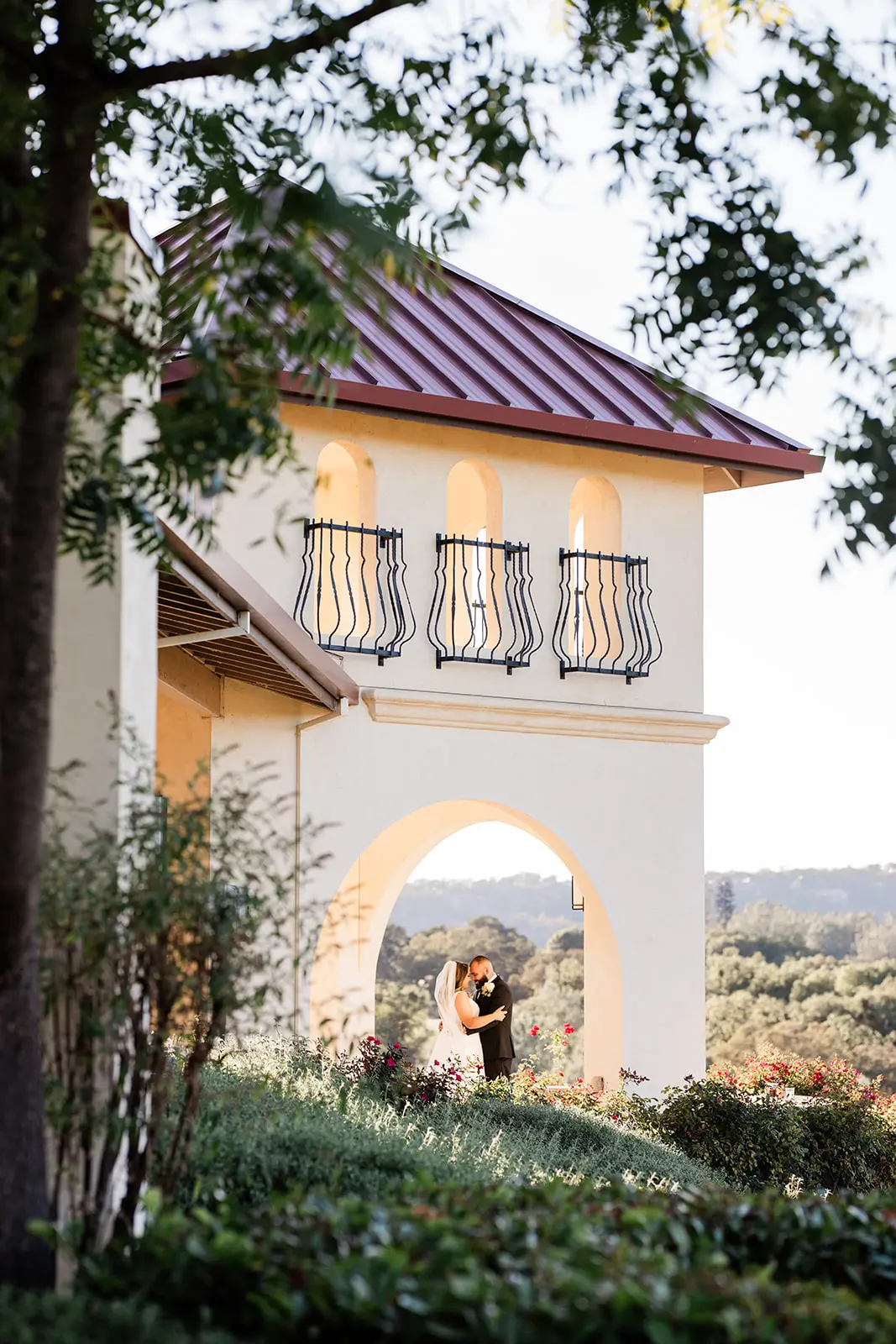
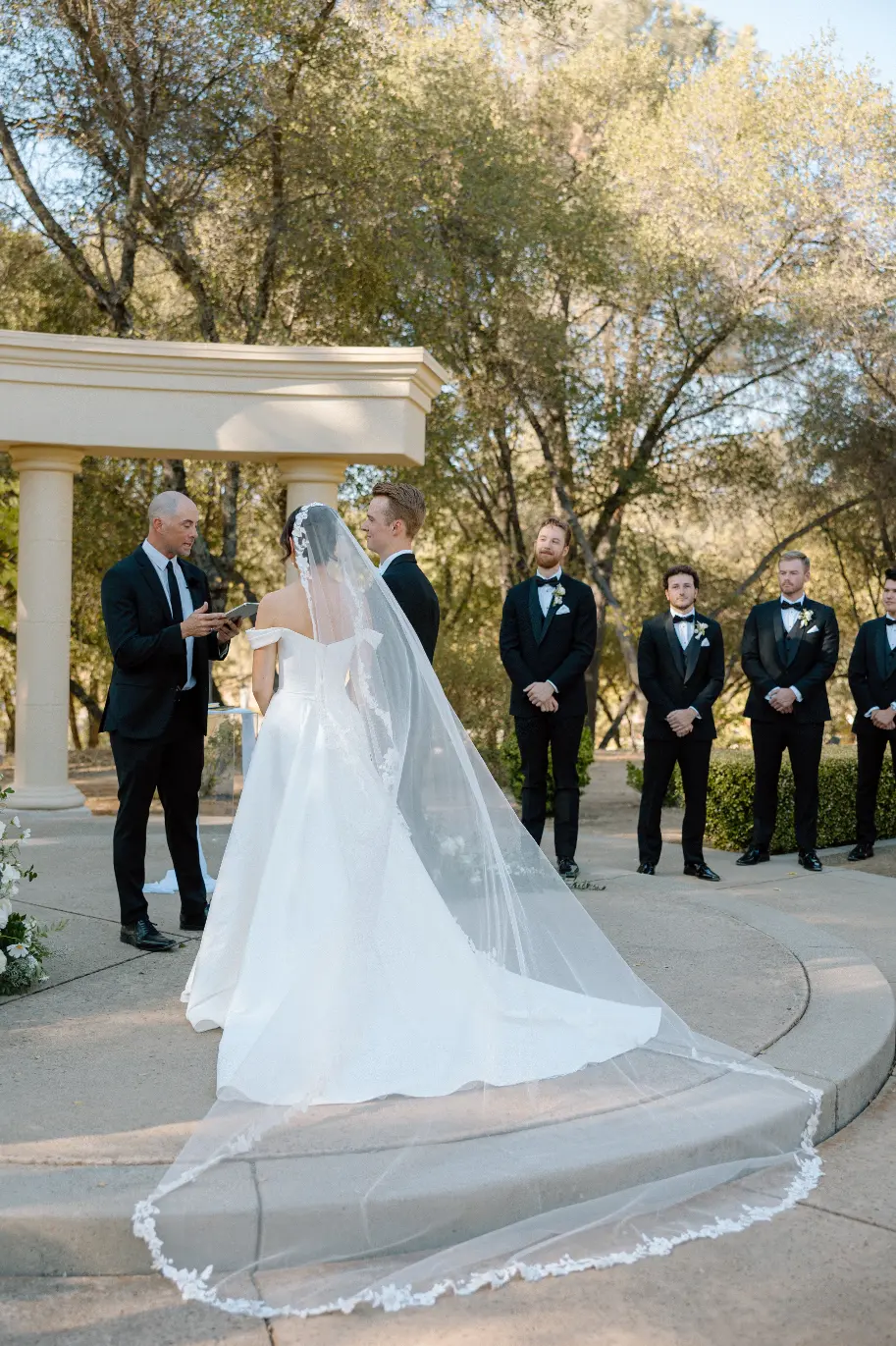
David
Girard included
a parklike
setting with
classical
columns as
a site for
weddings
when he planned
David Girard
Vineyards
in Placerville. |
Centuries
after French winemakers
began marketing an
association between
wine and the chateaus
where they made it,
Lodi winery owner
Joe Berghold has
gambled that the
extra cost of creating
an exceptional "sense
of place" will
boost sales of his
wines.
"It comes
down to the final
question: If you
build it, will
they come?" he
asks, then answers: "You
only know after
you put all your
money up front
and on the line."
Whether in Placerville,
Lodi, St. Helena
or south through
the Central Coast
and Santa Ynez
Valley, California's
1,370 wineries
are growing increasingly
dependent on direct
sales to earn profits.
OAS_AD('Button20');
No truth was more
obvious at Sacramento's
recent Unified
Wine and Grape
Symposium, where
architectural firms
from Santa Rosa
and San Francisco
vied for attention
of 10,200 wine
industry officials
alongside bottle
makers and mechanized
harvester salesmen.
As many as 15
million visitors
a year stream into
California's wineries.
Vintners use their
idyllic grounds
to sell the wine
- and the wine
to evoke fond memories
that put customers
in the same frame
of mind they had
on their visit.
"These places
are geared up to
be like a paradise," said
William Kane, owner
of Cristal Blue
Carriage, a Bay
Area limousine
service to boutique
wineries. "If
(wine tasters)
have as good an
experience on the
inside as they
perceive they will
on the outside
they're as happy
as little clams."
Last year, Berghold
opened one of California's
520 new wineries
since 1998 in what
he calls an "elegant
barn." Its
large tasting room
houses antique
furniture, a grand
piano and giant
1870s-era mahogany
bar brought across
country from Pennsylvania.
Lodi wine officials
say Berghold Vineyards
sets a new design
standard for their
region.
"The profitability
of selling one
bottle directly
is three times
better than going
through the wholesale
distribution system," said
Berghold, a former
clothing and theme
park executive
who said ambience
and hospitality
are crucial when
selling directly
to customers. It's
the one way you
can exist and potentially
become profitable."
For at least three
centuries, wineries
have leveraged
the romantic quality
associated with
the wine country
and their exotic
architecture and
parklike landscapes.
In California,
home to venerable
old Napa Valley
estates and trendier
newcomers, wineries
generate an estimated
$1.3 billion in
tourist spending
yearly as magnets
for weekend wine-tasting,
picnics, concerts
and increasingly
outside the crowded
Napa Valley, for
weddings.
To lure visitors,
Northern California
wineries can spend
upward of $375
per square foot
for hospitality
facilities, architects
say. A 10,000-square-foot
center - one-sixth
the size of a new
grocery store -
might cost $3.5
million or more.
"The ambience
is all a part of
it," said
Sheila Davis, a
Honolulu flight
attendant visiting
the Napa Valley. "When
you drive along
the Silverado Trail,
that's how you
choose. It's visual.
If it looks quaint
and clean, absolutely,
that's what draws
you in."
Winery owners
in California often
view themselves
as engaged in elegant
agriculture and
their settings
as mini-theme parks
or eco-resorts.
With fountains,
gardens, grapevines,
native rocks and
a range of oak,
olive and cypress
trees, they welcome
tasters to quaint
farmhouses and
barns, old French
chateaus, stucco
palaces and classic
ivy-colored mansions.
In the Napa Valley,
Opus One Winery
beckons visitors
from Highway 29
like an ornate
jewelry box rising
from a grassy berm,
while Oakville's
Groth Winery appears
in its vineyard
like an early California
mission.
On the Silverado
Trail, Quintessa
Winery sits behind
a giant curved,
sandstone-color
wall rising dramatically
out of the vineyard.
Finally, atop a
nearby hill, Silverado
Vineyards grandly
welcomes tasters
up a winding staircase
to a tasting room
of dark wooden
beams and giant
windows.
"The first
thing you notice
is the ambience
of the room, the
kind of hospitality
you feel," said
Marsha Lockett,
an Austin interior
designer eyeing
the scene with
a glass of wine. "It's
kind of all the
senses at one time.
You're using everything."
Jeff Goodwin,
who oversaw Silverado's
recent expansion
as associate principal
of San Francisco-based
Bar Architects,
said: "A well-designed
environment is
going to make people
happier and want
to spend more time
there."
Goodwin's firm
recently designed
a renovation of
Clarksburg's Old
Sugar Mill into
wine tasting rooms
and space for wine
production and
events.
Loraine Fowlow,
a University of
Calgary professor
of architectural
design and author
of "Wine By
Design," a
picture book of
global wine architecture,
calls wine a hedonistic,
sensual experience
that feeds off
quality settings.
"There's
a generation now
really interested
in how you live
your life, and
that's feeding
all things related
to lifestyle, including
wine, food and
interiors," she
said. "People
are just joining
wine clubs at a
huge rate, and
these people are
now grouping and
gathering for tours."
Fowlow said higher
numbers of visitors
are triggering
an "explosion" of
commissions for
big-name architects
to design wineries.
While their fees
are private, Fowlow
describes superstar
design deals as
akin to the retail
adage: "If
you have to ask
the price, you
probably can't
afford it."
Among them, Frank
Gehry, designer
of the Walt Disney
Concert Hall in
Los Angeles, drew
up plans for a
similar bent-metallic
look - "a
silver cloud floating
above the vineyard," said
Fowlow - for the
new Le Clos Jordan
winery in Ontario,
Canada.
"A beautiful
building, an eye-catching
building, will
draw people in
to experience that
wine," said
Santa Rosa architect
Andy Hall, owner
of Hall & Bartley
architecture and
planning. " ...
A potential customer
leaves the winery
with a wonderful
feeling for the
whole facility."
Walnut Creek attorney
David Girard aims
for exactly that
feeling with his
new David Girard
winery in Placerville.
With a two-story
Tuscan-style design,
it's already being
defined in the
local press as "elegance
personified."
"When people
come to a winery,
it's more than
the wine," said
Girard, who personally
designed the winery's
exterior but used
architects to site
it amid the rolling
hills. "People
want to go out
and relax and feel
good. They want
to say, 'God, this
is pretty. I enjoy
being here.' "
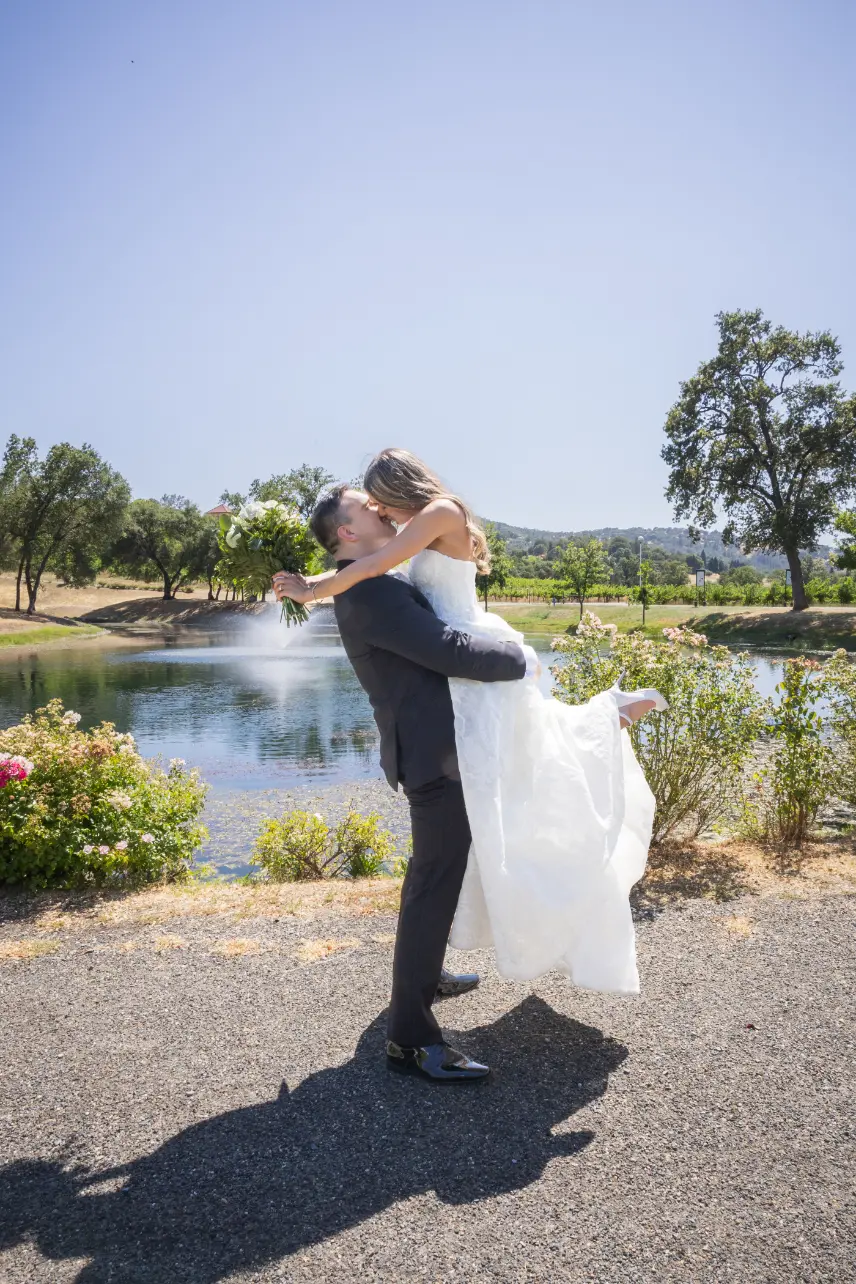
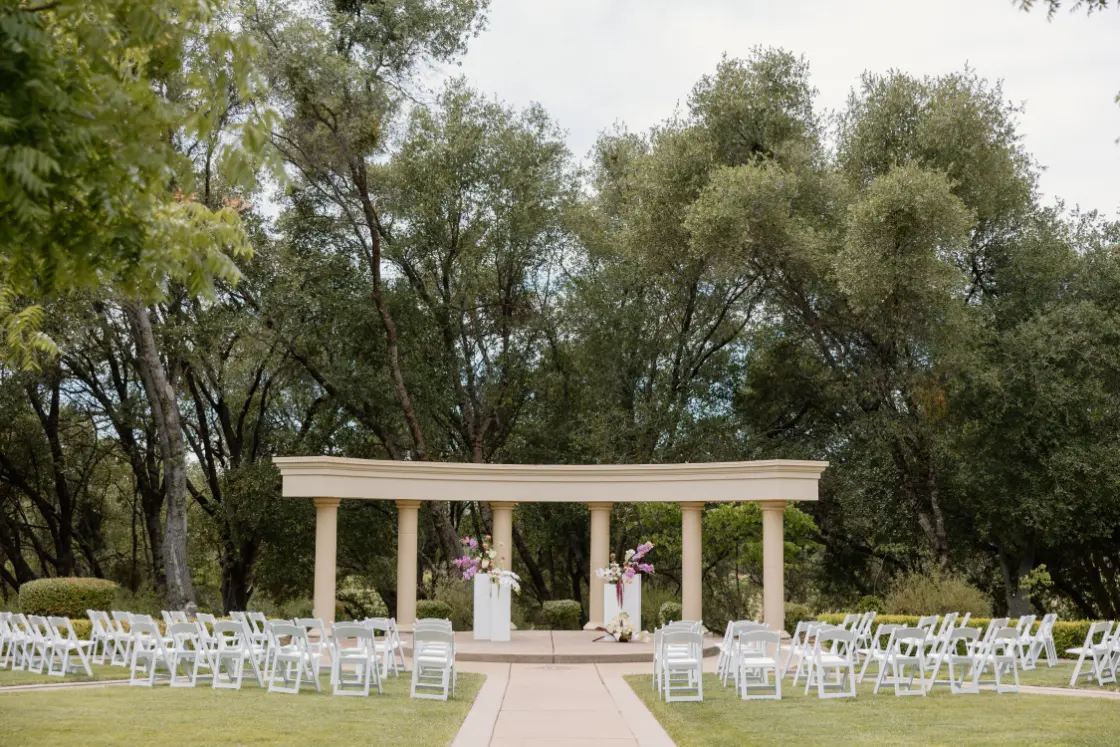
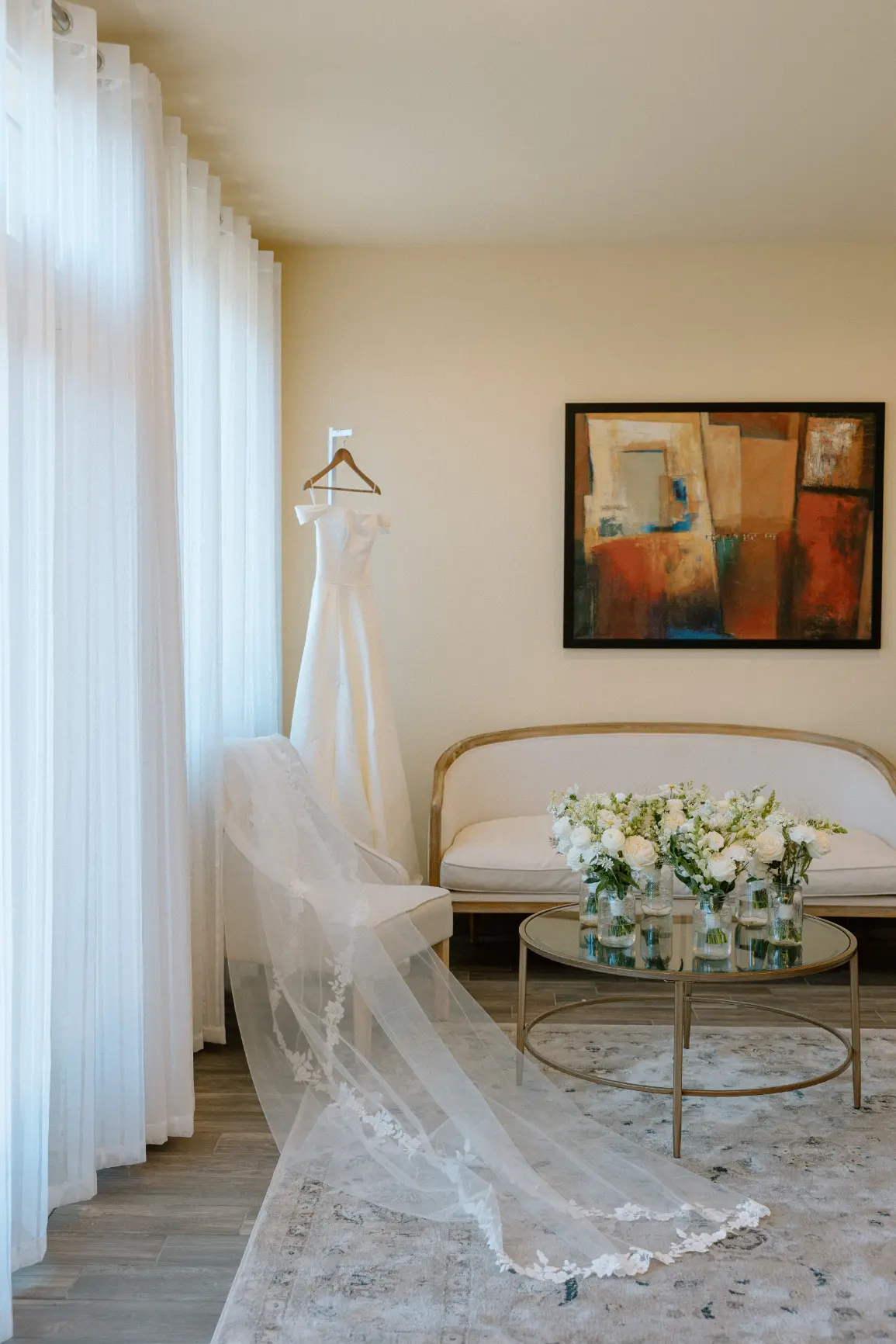
David Girard Vineyards
includes a parklike
setting with classical
columns for weddings.
The extra feature
represents added
value to what is
now essentially
a direct-market
agricultural operation.
"Little guys
like us trying
to get a distributor?
Give it up," Girard
said. "You
have to figure
out different ways
of strategizing
and diversifying.
One of the ways
is weddings and
events. It makes
financial sense.
It brings people
to the winery."
Placerville's
Boeger Winery,
considered one
of the longstanding
gems of El Dorado
County's wine region,
has used its landscaped
grounds and tasting
room ambience to
stage Friday night
events during the
summer.
"By the end
of the season,
the whole town
would be here on
Friday night," said
owner Susan Boeger. "It's
not just wine tasting.
They buy wine and
go out and have
dinners and appetizers
and music and socialize.
That's all because
of the feel of
the grounds."